A legal earthquake has rattled the American political landscape as the U.S. Supreme Court officially issued a ruling blocking President Donald Trump from deploying National Guard troops into the state of Illinois. This is not a mere procedural setback; it is a hard red line drawn by a judiciary previously considered “Trump-friendly,” affirming a core principle: Not even the President can unilaterally deploy the military into American cities without a state’s consent.
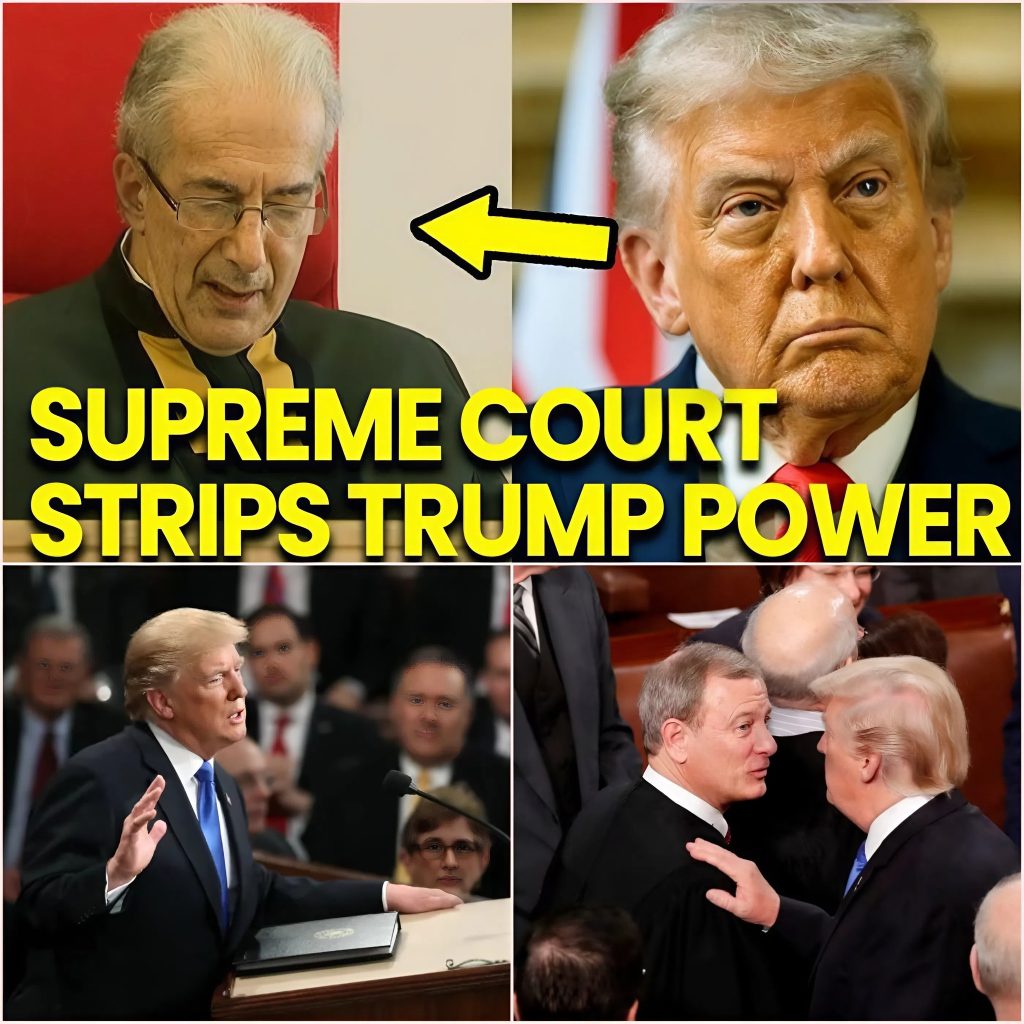
1. The Shock from the “Judicial Allies”
What has stunned observers is not just the content of the ruling, but the source. This is a Supreme Court with a 6-3 conservative majority—the same body that previously granted Trump presidential immunity and allowed him to fire independent commission heads.
However, when Trump attempted to use his Commander-in-Chief authority to send troops into Chicago for immigration and crime enforcement over the explicit objections of Governor J.B. Pritzker, the Court said “No.” The justices argued that the Trump administration failed to provide a sufficient statutory or constitutional basis for such coercive action.
2. “Overriding” State Sovereignty: Ambition Halted