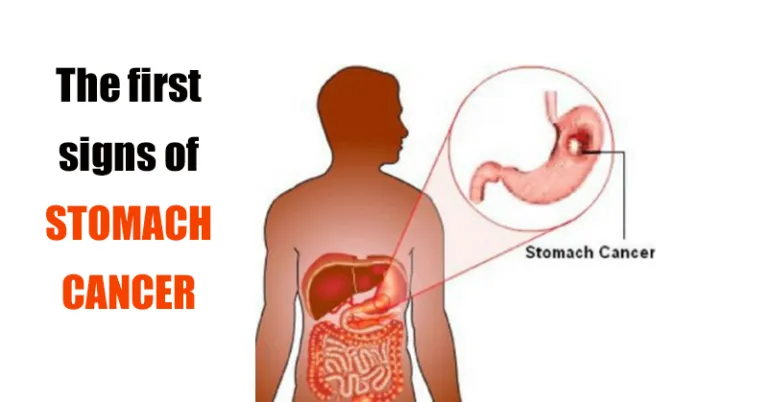
Stomach cancer is often called a “silent killer” because its early signs are easy to mistake for minor digestive issues. Many people don’t realize anything is wrong until the disease has progressed, making treatment more difficult. Gastric cancer develops when abnormal cells form in the stomach lining and grow into tumors, most commonly as adenocarcinoma. This type is especially dangerous because it often develops without clear symptoms.
Early signs are subtle. Blood in the stool, persistent fatigue, anemia, nausea, appetite loss, and abdominal discomfort can all signal trouble but are frequently dismissed as indigestion or stress. If these symptoms continue for weeks, medical evaluation is crucial.
Several factors increase stomach cancer risk, including age, family history, diet, smoking, and heavy alcohol use. Diet plays a major role—processed foods, red meat, and smoked foods raise risk, while fruits, vegetables, and whole grains offer protection.
Some studies suggest turmeric may help reduce cancer risk due to its anti-inflammatory compound, curcumin. Combining turmeric with black pepper and olive oil improves absorption.
Ultimately, prevention relies on healthy habits, regular checkups, and paying attention to persistent symptoms. Early action can make all the difference.