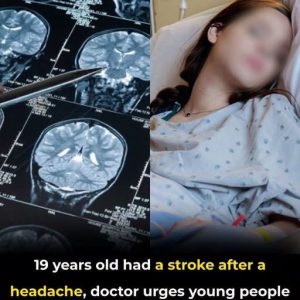
As people grow older, minor changes like occasional forgetfulness or slower movement are common. However, sudden confusion, speech difficulty, balance loss, or numbness may indicate something far more serious than normal aging.
These warning signs could signal a transient ischemic attack, commonly known as a mini-stroke. This condition occurs when blood flow to part of the brain is briefly interrupted, usually by a small clot or narrowed artery.
Although symptoms typically last only minutes, they should never be dismissed. The temporary nature of a TIA makes it deceptive, but it serves as a critical warning that a major stroke may follow without proper intervention.
Several factors increase TIA risk, including high blood pressure, diabetes, high cholesterol, heart disease, and smoking. Age and family history also contribute, making awareness essential for prevention and timely action.
When symptoms appear, immediate medical attention is vital. Doctors can perform tests to determine the cause and recommend treatments such as blood-thinning medications, blood pressure management, or surgical procedures to improve blood flow.
Lifestyle changes play an equally important role in prevention. Regular exercise, smoking cessation, limited alcohol consumption, a balanced diet, and stress management can significantly reduce the risk of both TIA and stroke.
A mini-stroke is not merely a passing event but a warning from the body. Quick recognition and response can preserve independence, quality of life, and precious time with loved ones, turning awareness into lasting protection.