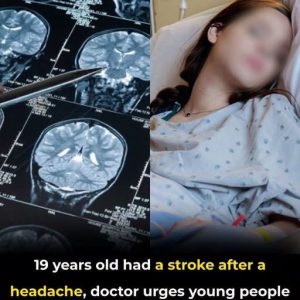
Sudden symptoms like confusion, speech difficulty, loss of balance, or numbness can signal a transient ischemic attack (TIA), or mini-stroke, rather than normal aging. These require urgent attention.
A TIA happens when blood flow to the brain is briefly blocked, often by a small clot. Symptoms typically last minutes, but this event is a critical warning that a major stroke could follow.
Key risk factors include high blood pressure, diabetes, high cholesterol, heart disease, and a history of smoking. Age and family history also contribute to increased vulnerability.
Immediate medical evaluation is essential when symptoms appear. Doctors can perform tests to confirm the cause and initiate preventive treatment.
Treatment often involves medications like blood thinners, along with managing cholesterol and blood pressure. In some cases, procedures to improve blood flow may be recommended.
Lifestyle changes are crucial for prevention. Regular exercise, a balanced diet, quitting smoking, limiting alcohol, and stress management significantly reduce risk.
Treating a TIA as a serious warning allows for timely intervention. Prompt action helps preserve long-term health, independence, and quality of life.