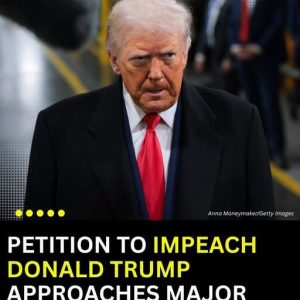
Donald Trump’s remarks about Cuba, delivered almost casually on CNN, were anything but offhand. Predicting the island would “fall pretty soon,” his words echoed decades of Cold War tension and failed intervention. He boasted Cuba had “fallen right into my lap,” positioning himself as history’s chosen actor.
For Cubans and millions across Latin America, the threat revives old ghosts: embargo, isolation, and forced change from Washington. The region remembers when such predictions preceded decades of hardship.
Under Obama, cautious openings had begun to soften a hardened past. Diplomatic relations were restored, and travel restrictions eased. Families divided by the Florida Straits finally glimpsed hope for connection.
Trump first slammed those doors shut, tightening sanctions and reversing progress. Now his latest comments hint at something far more direct—perhaps military action or regime change efforts.
The remarks arrive amid broader global tensions. Iran reeled from US and Israeli strikes, with its leadership reportedly assassinated. Tehran now demands “unconditional surrender” from its adversaries.
Between Iran’s defiance and Cuba’s supposed coming “fall,” a chilling question hangs over the hemisphere. How far is Trump willing to go this time? The answer could reshape not just Cuba, but America’s standing across Latin America.
For now, the region watches and waits—haunted by history and uncertain of what comes next.